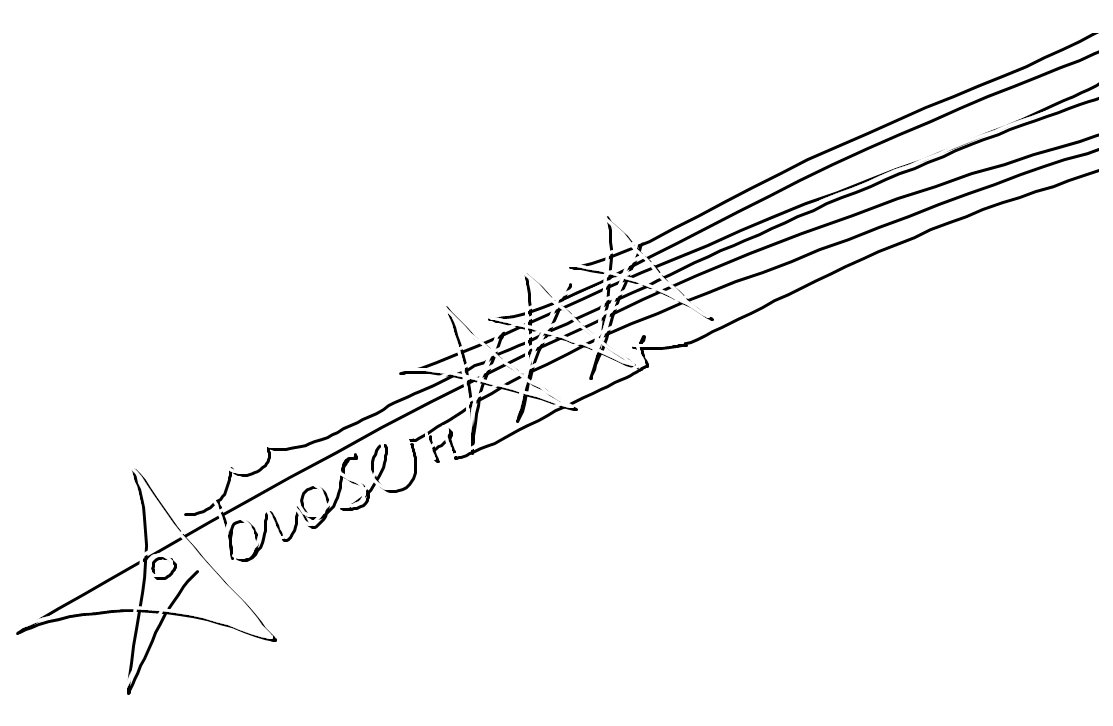
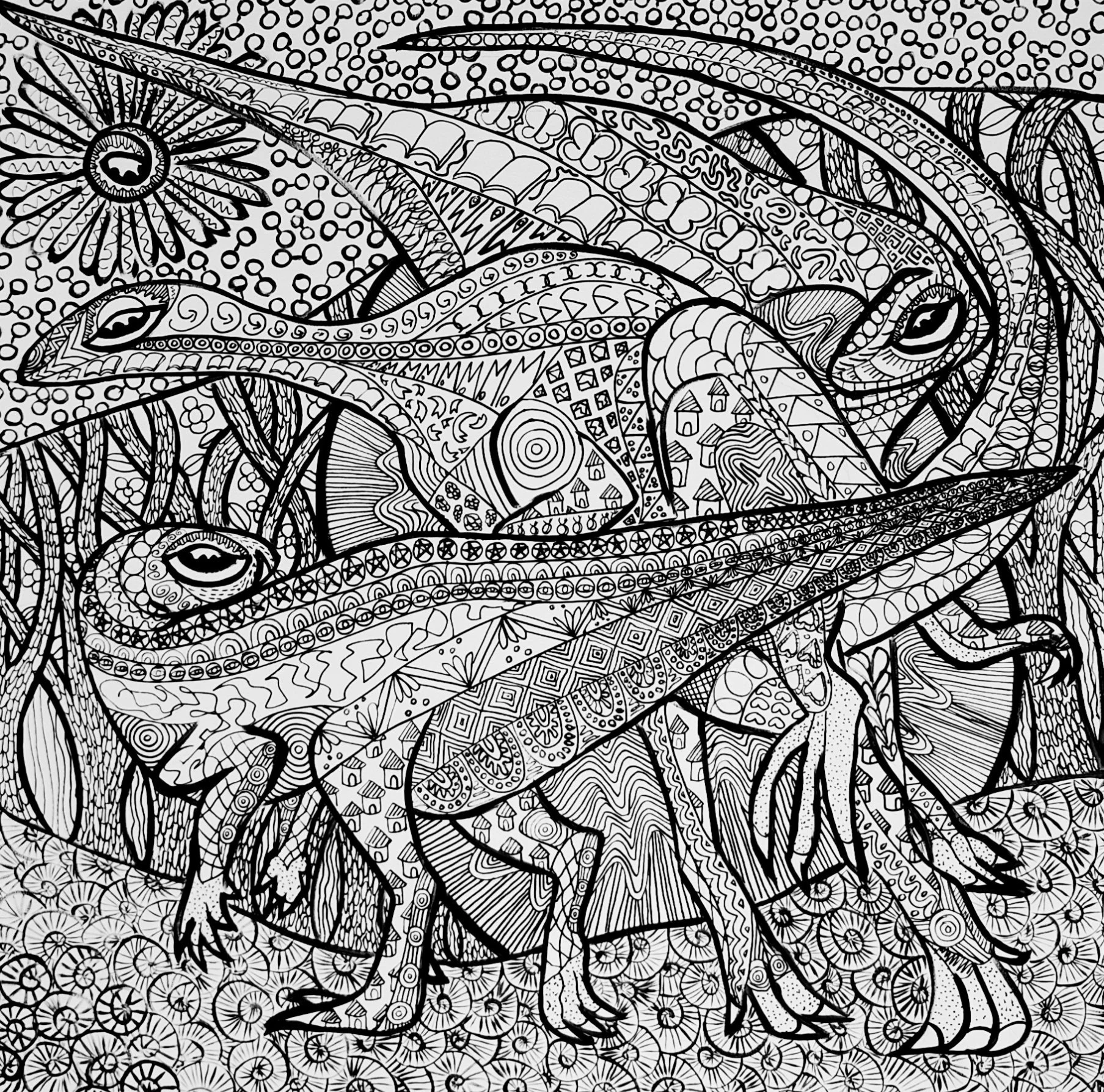
Contemporary art describes what is happening right now. My work does not exist to document the present—it is oriented from what the present moment is becoming.
In my 24-cycle manifesto, The AMOH Hypothesis: A Philosophy of Emergence, I define this practice as Apex-Frontier Postcontemporary Art in Contemporary Settings. In biology, every living system requires an origin of replication—a specific initiating sequence where life begins to duplicate forward. I approach painting as that initiating sequence.
Here, "apex" is not a hierarchy of ego or prestige; it is a point of convergence where separate lines meet—where medicine meets mythology, where Lagos meets the Øresund threshold, and where ancestral memory meets future possibility. And a "frontier" is not a wall that says no further; it is the edge where no established critical language exists yet, because the language must be built in the aftermath of the work.
I am fully aware that curators and critics often look down upon coined phrases. Yet as an African who has reflected long and hard on what genuinely serves the continent, these words did not arrive as an academic noun—they arrived as a doing phrase. They name an active responsibility: converging scattered histories, crossing into unmapped territory, and constructing our own critical vocabulary rather than waiting to be defined by inherited ones.
Every piece I create is contemporary in its physical materials—canvas, acrylic, a room, a human nervous system—and postcontemporary in its intention: speaking the language of our next human emergence before it fully arrives.
