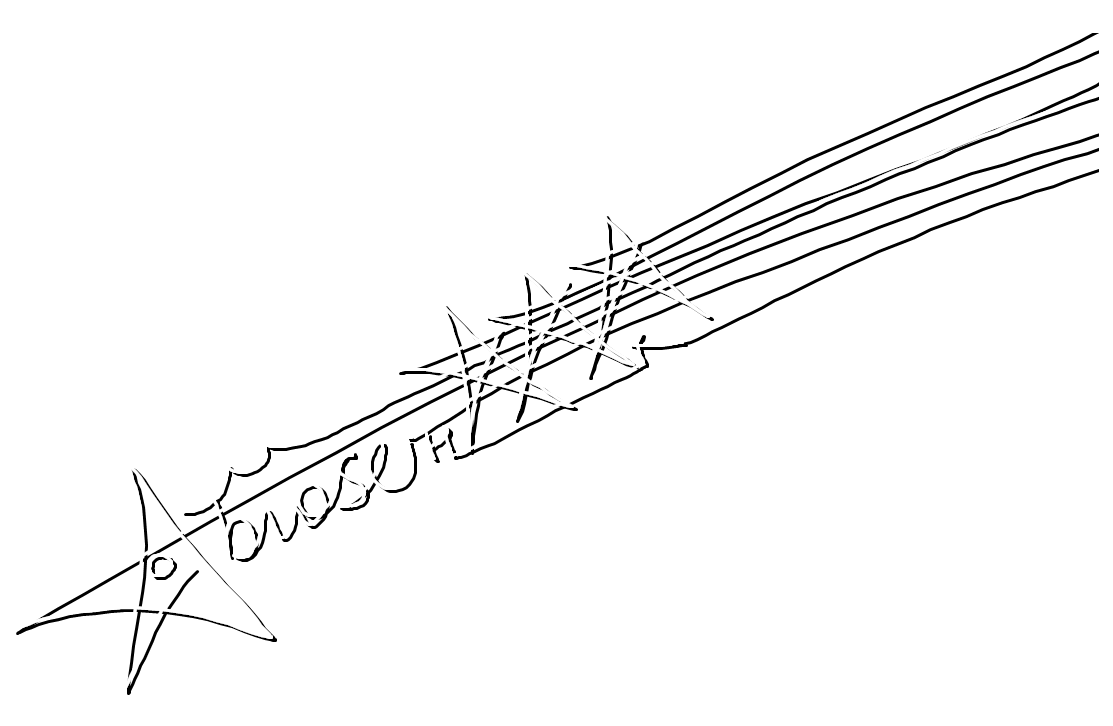

Opera of Light
My poetic synaesthesia of a
grand, synchronized illumination.
BOUTIQUE
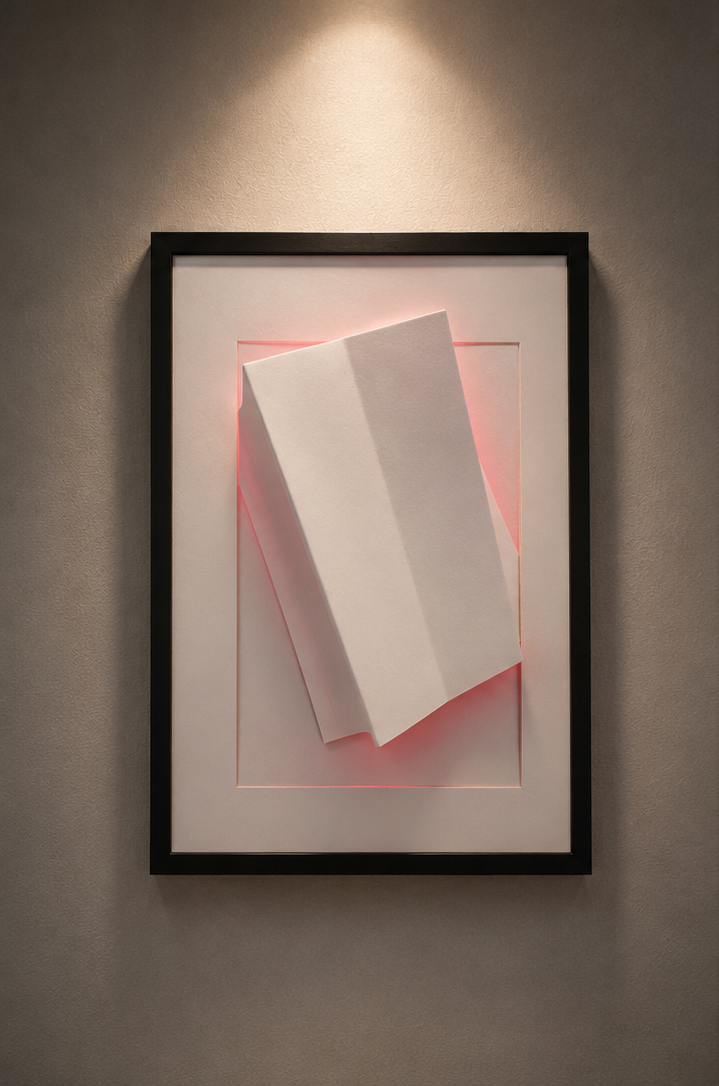
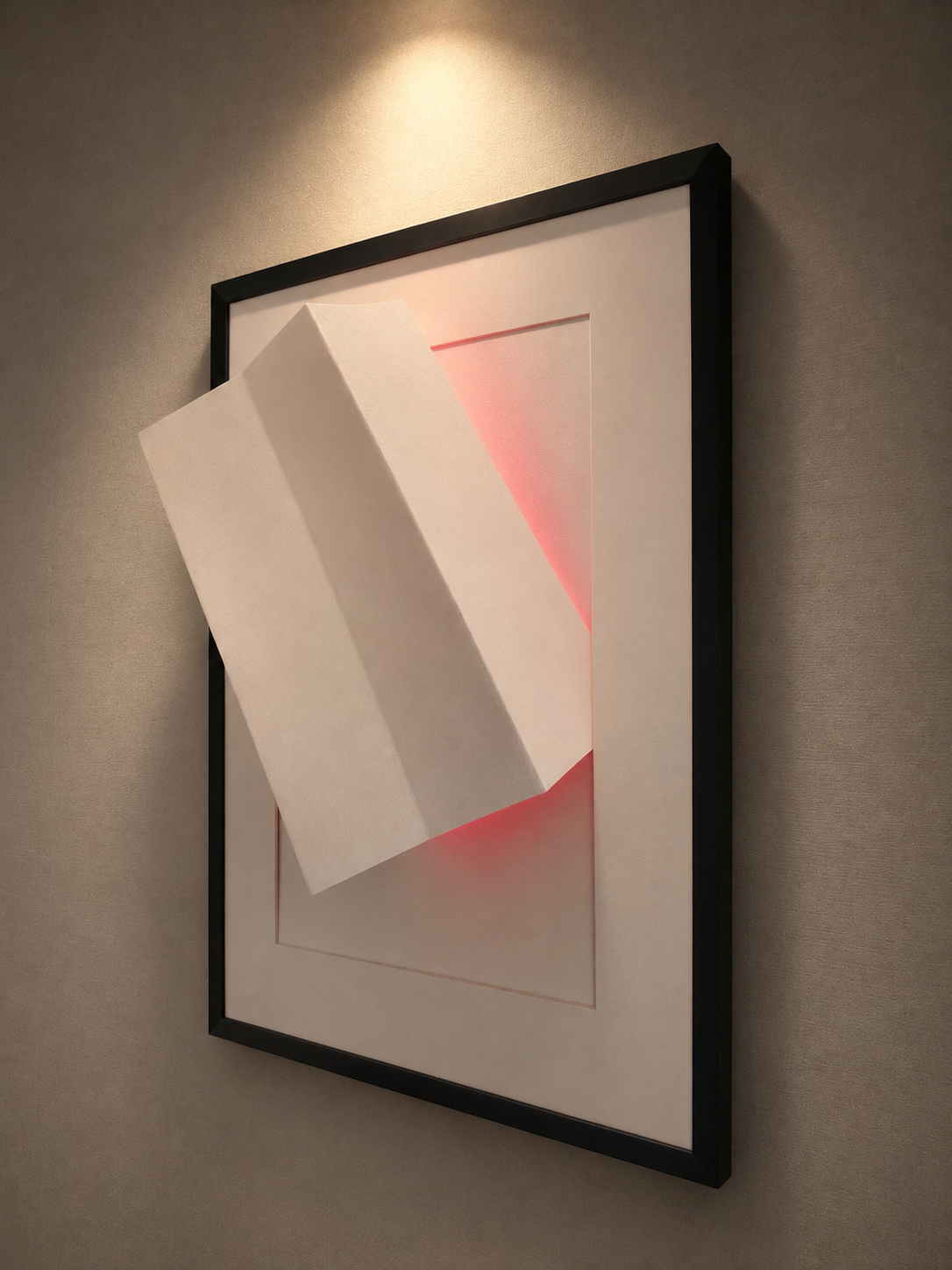
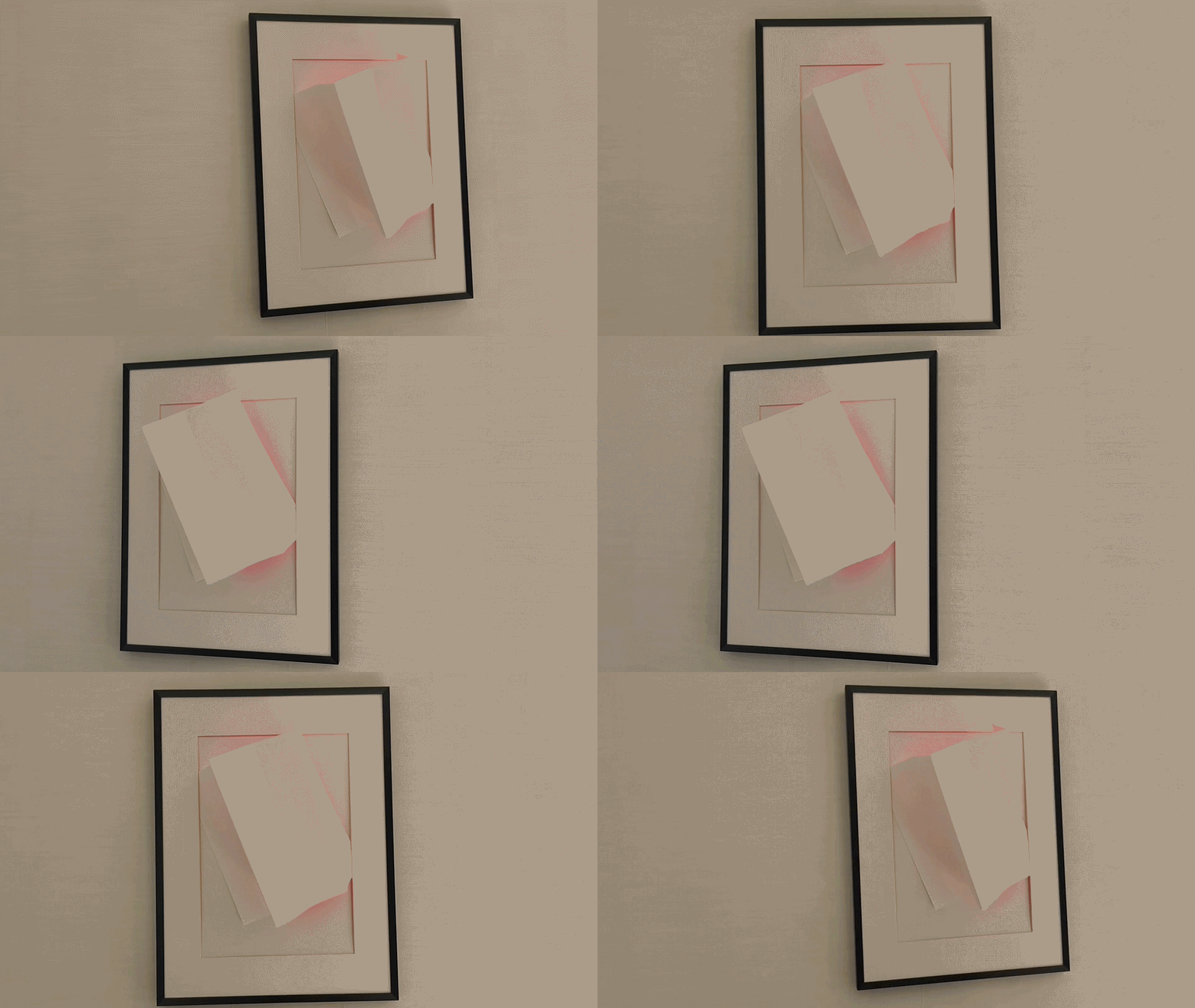
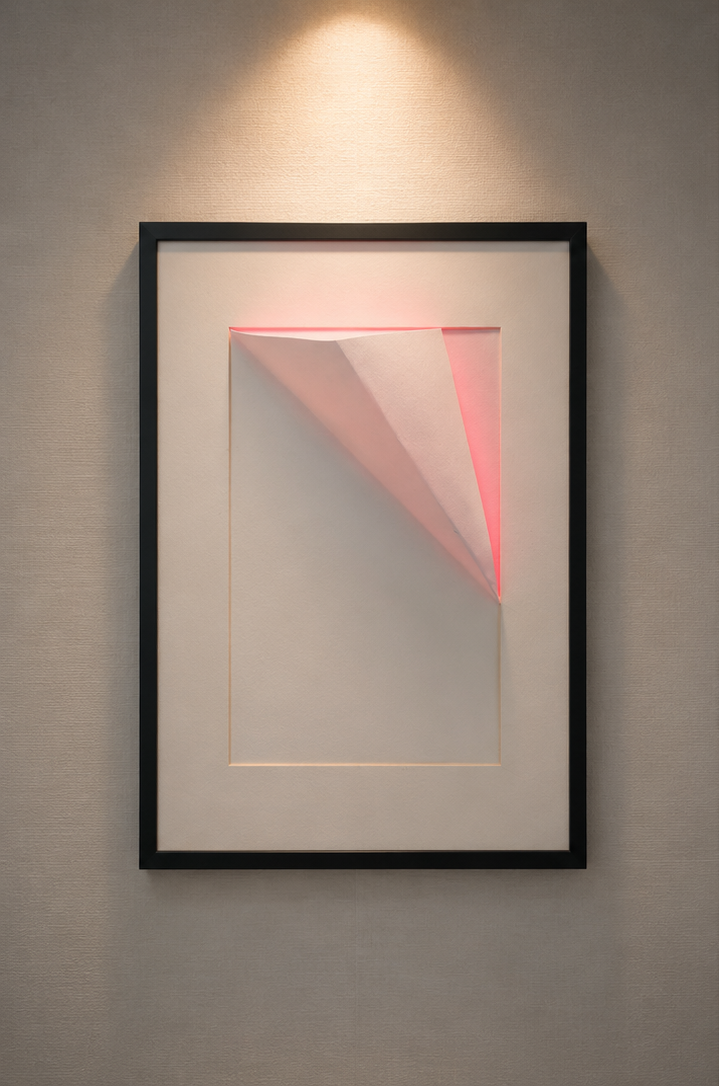
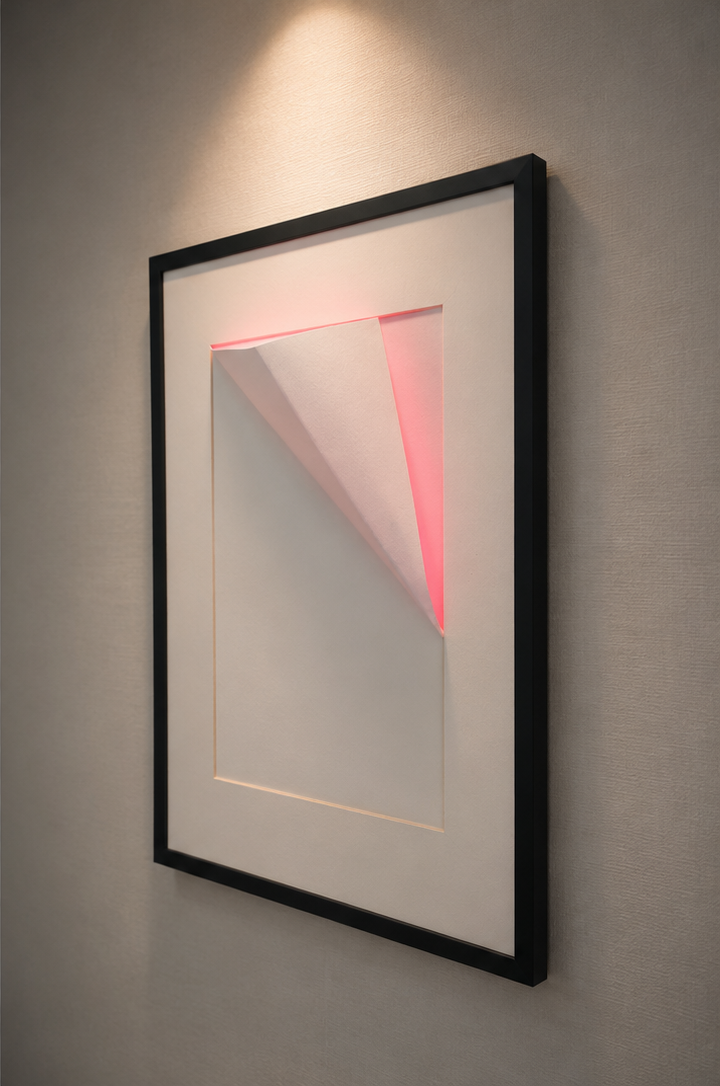
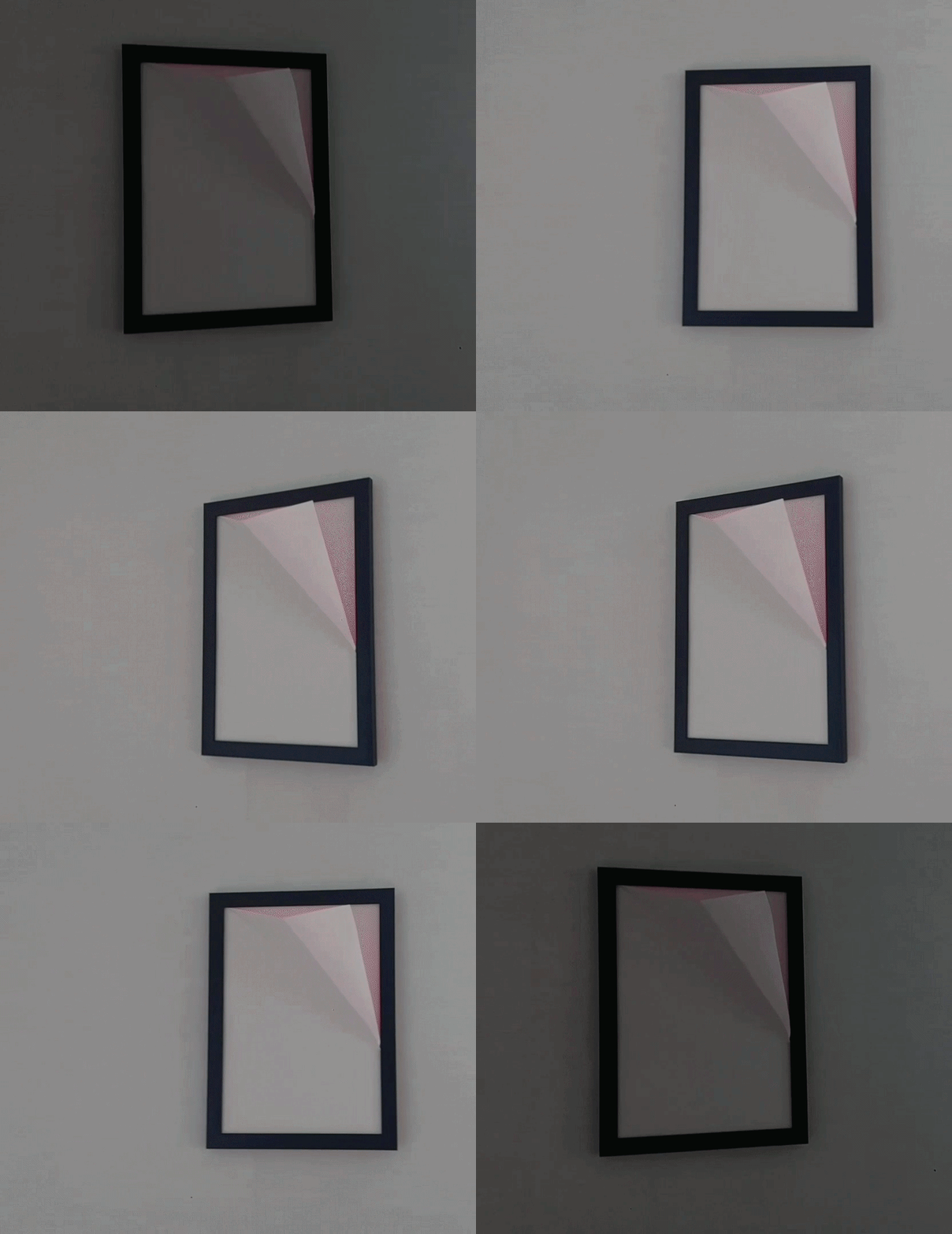
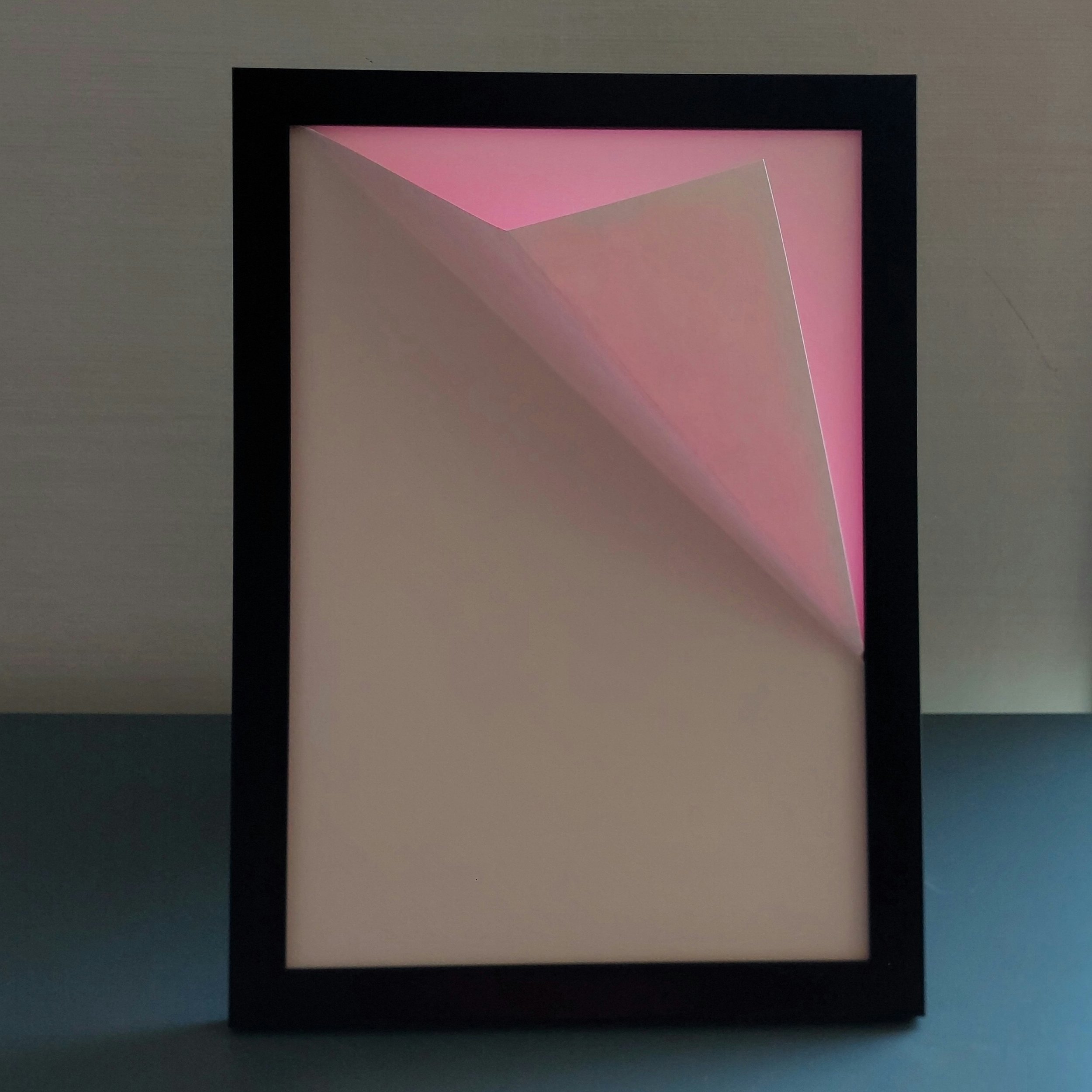
Painting with Love and Romance, Calm and Tranquility, Nurturing energy, Playfulness and Femininity, Innocence, Gentleness, Healing, Vibrancy, Passion, Confidence, Youthful energy, Sophistication, Quiet Comfort, Deep Affection.
Painting with the Light of Opera Rose.
Painting with Light.
-
The ontology (what Opera of Light is)
Cycle 9 — The cell we call the planet
This is the foundation.
Every work is a local event within a larger system. Each sheet is one individual processing the "thinking ether," but together they become evidence of emergence occurring across humanity.
Cycle 8 — Sensorimotoric
The human being is the interface.
The thinking ether doesn't make paintings - it does not create the material aspect of our world. The individual does. The body is the substrate through which thought becomes visible.
—-
The mechanism (how it works)
Cycle 14 — Biosemiotics
Meaning emerges in the encounter.
The work itself is delivering meaning like a lecture; it's inviting the viewer into an encounter with The AMOH Hypothesis, where they generate meaning.
Cycle 10 — Emergence
Neither the thinking ether nor the individual alone is the artwork.
The artwork emerges from their interaction.
The theory of emergence is being introduced to the audience.
—
The artistic language
Cycle 18 — fine art as the vehicle
Through Opera of Light, I have chosen a visual language that welcomes people rather than requiring institutional fluency.
Someone can stand before it and have an experience without needing to decode a dense theoretical framework.
—
The symbolism
Cycle 22 — The constellation as signature
Light becomes orientation.
Not just physically, but philosophically. It situates the individual within the larger field of emergence.
—
The purpose
Cycle 20 — Synchronisation
The work gives the viewer a moment in which thought, sensation, and meaning can come into coherence.
—
Instruments as Titles
Cycle 21 — Understanding as a collective act
I write that individual emergence contributes to a larger field of possibility for everyone else.
If each Opera of Light is an instrument, then no single work is "the opera." The opera exists across the collection.
That mirrors Cycle 21 beautifully.
One instrument cannot perform an opera.
One individual does not constitute humanity.
One artwork does not exhaust the philosophy.
The whole emerges from the many.
—-————-
THE SUMMARY
9 – each work is a local event within a larger system.
8 – the individual is the interface through which thought becomes form.
10 – the artwork emerges from that interaction.
14 – meaning is created in the encounter.
18 – the work remains accessible as a vehicle for philosophy.
21 – the series becomes a collective "opera," where each work is one voice.
22 – light serves as orientation and signature.
20 – the encounter helps synchronise the viewer with the process of emergence.
Opera of Light, just like Folktales Beyond Borders are not simply different series— illuminate the AMOH Hypothesis in different ways. One explores how meaning is carried and inherited through stories; the other explores how meaning continually arises through individual consciousness and perception. That makes them complementary vehicles for the same philosophical project, rather than competing artistic identities.
ADUNGU
Adungu (Opera Of Light) is a single folded plane opens into luminous space, revealing reflected colour that remains hidden until light enters the work. Inspired by the quiet resonance of the Ugandan Adungu, the sculpture transforms paper into an instrument of illumination, where form and light perform together in silent harmony.
KORA
A quiet resonance held between two planes. Like the Kora of the Mande homeland to include The Gambia, Senegal, Mali, Guinea, and Guinea-Bissau; its slender form draws hidden colour into view revealing light with the delicacy of vibrating strings. A quiet resonance held between two planes. Like the Kora, its slender form draws hidden colour into view revealing light with the delicacy of vibrating strings.