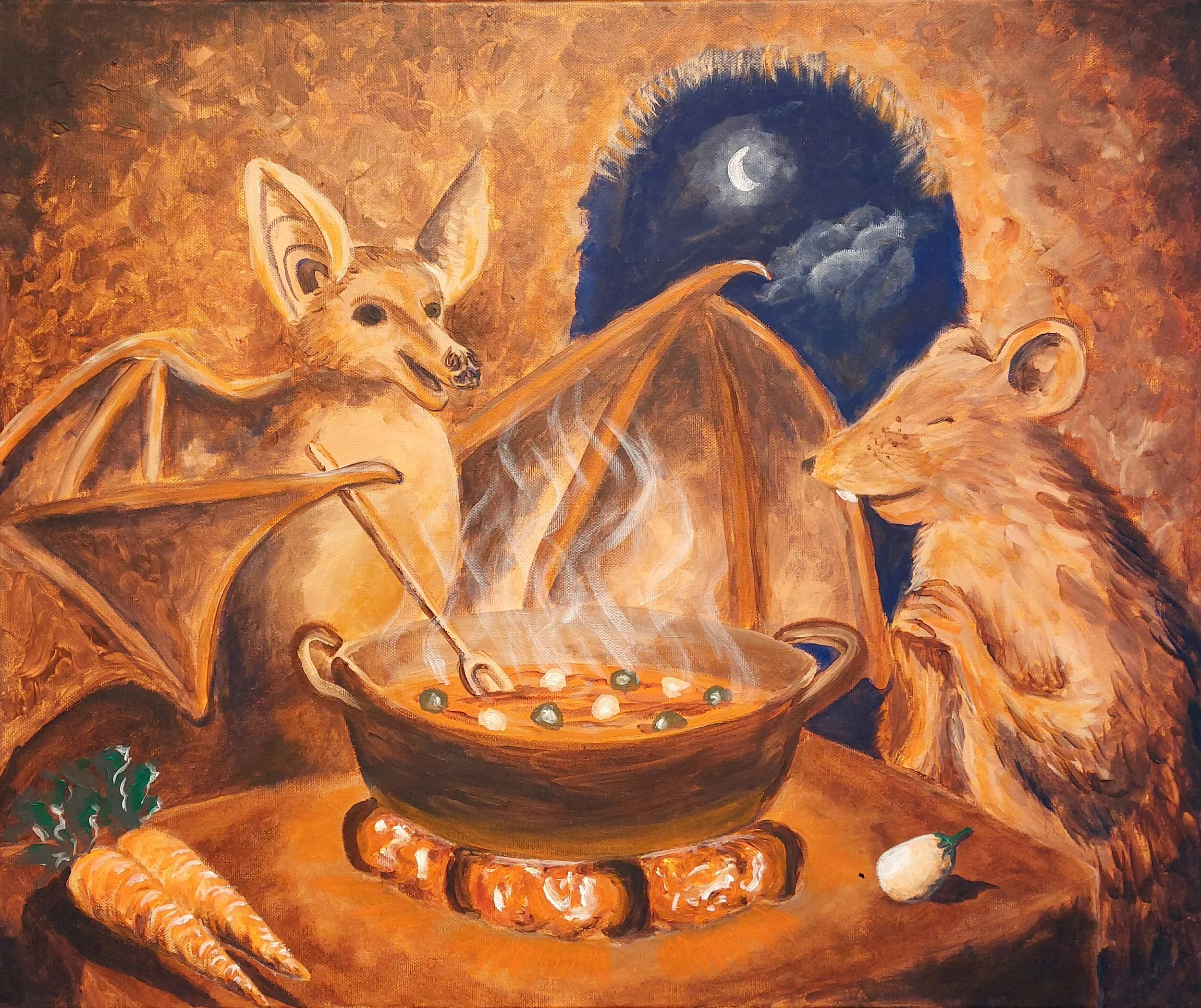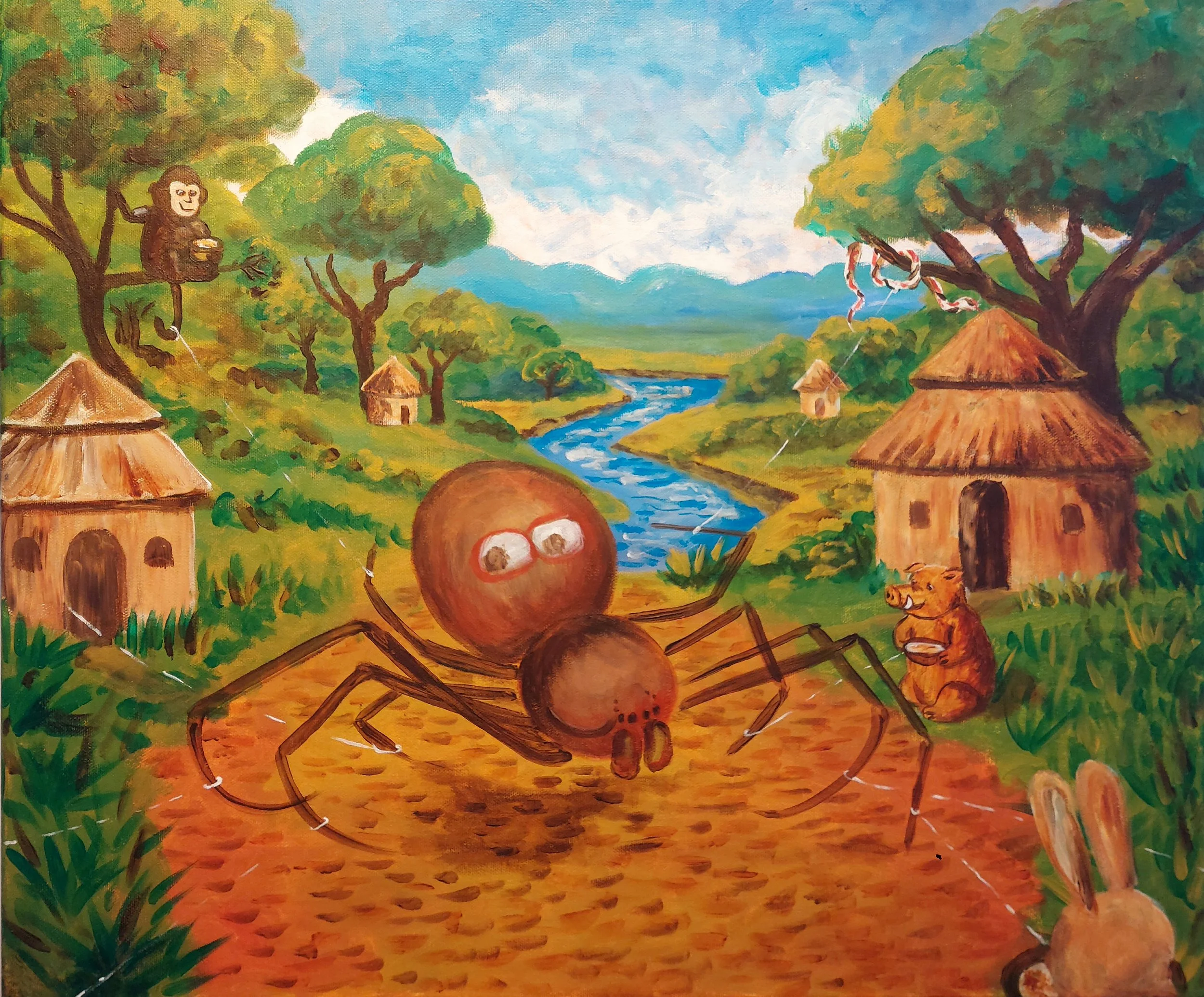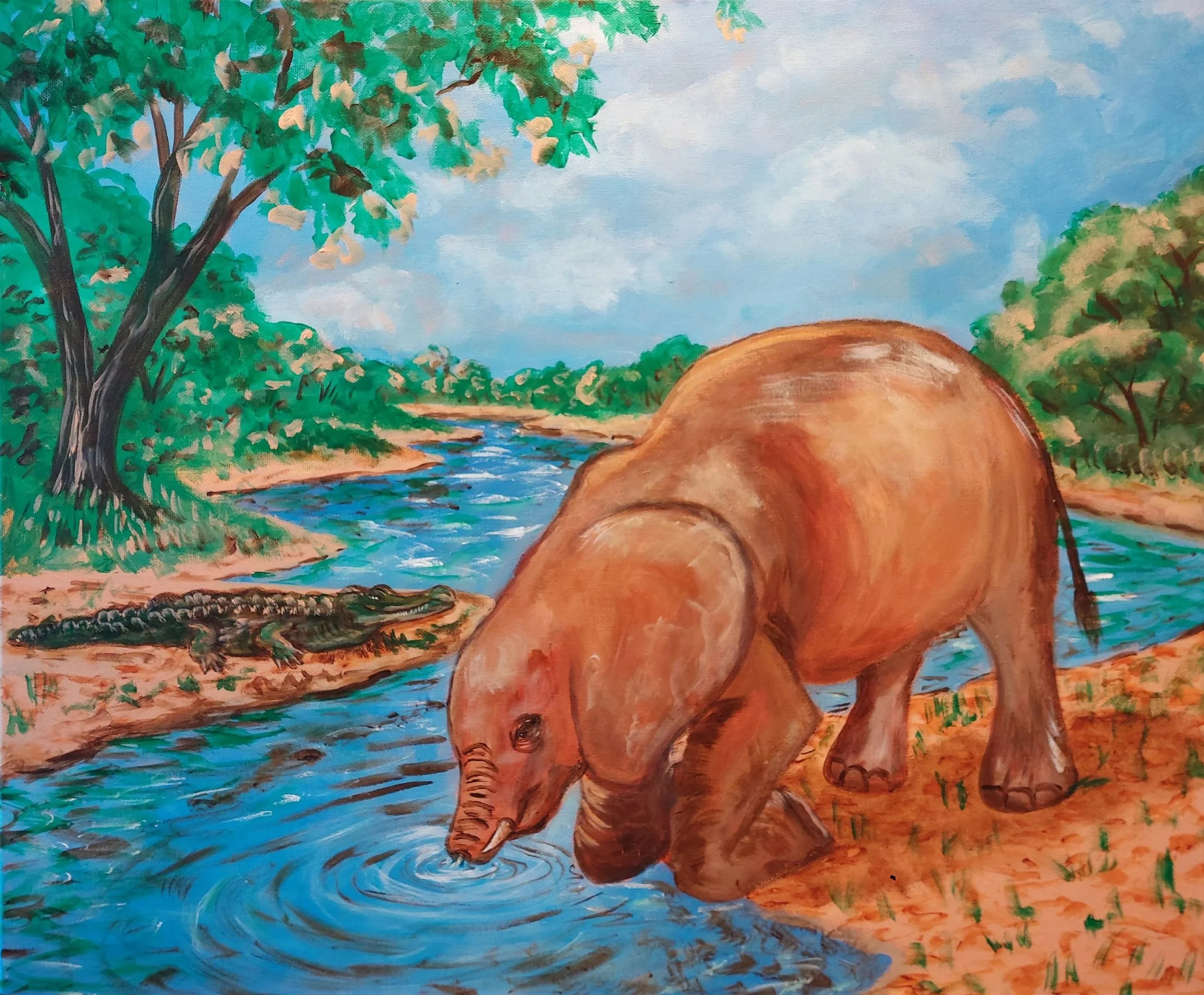
Folktales
Beyond
Borders
-
I welcome you to join Curated Crescent List. On the 22nd of April, in partnership with an auction house, I invite you to join us as Folktales Beyond Borders will be going on auction.
Between now and the auction date, I will be sending you curated videos of these 12 pieces as well as developing the background. Come auction day, 20 paintings will be available for acquisition. Further details are to come via email through the Crescent’s newsletter.
Below I present the paintings in videos as well as background videos to bring depth to why these paintings are, this portfolio is important. I hope to see you at the auction, either participating live at the event, or digitally.
After the auction, those still on the list who did not get to acquire any of the paintings, will be invited to get on the waitlist for the periodical releases as well as the next auction.
Join My Curated Crescent to receive news as each new piece is released released to the public. Upon joining, you will receive the Metanarrative I wrote of all 20 paintings.
If this journey moves you, please share the Crescent with other collectors you trust. It takes a village. Thanks in advance.
The email will come from
Add this to your inbox list.
Dr Abiosè M O Haara MD
-
Hello, I’m Abiosè.
I am a Nigerian-born artist working between memory, storytelling, diaspora, and heritage. My studio practice is rooted in the oral traditions I grew up with in Lagos, particularly the cultural ritual of the TV series Tales by Moonlight, where stories were shared at dusk and carried lessons across generations.
After becoming a mother in the African diaspora, I began retelling these stories—first for my children, and then through painting. This body of work emerges from that act of reconnection and preservation. Each piece draws from African folktales across different countries, where animals, landscapes, and domestic spaces become vessels for memory and meaning.
“Folktales Beyond Borders” explores how stories travel—how they shift across geographies, generations, and identities—while remaining rooted in cultural inheritance. In this way, painting becomes both an archive and a continuation of African oral storytelling traditions. Importantly, these works are small by design for African stories belong in the stars too. They always have.
Born in Lagos, my early life continues to inform my sensitivity to narrative, community, and resilience. Alongside my artistic practice, I work as a medical doctor in family medicine, a role that deepens my engagement with human stories in another form.
At its core, my work is about transmission and centering: carrying stories forward and creating space for them to live again.
-
I paint African folktales — secondarily as illustrations and nostalgia, but primarily as a deliberate act of teaching reconstruction - as fine artistic lecture
You see, I grew up with Tales by Moonlight. Stories told at dusk, carried across generations through voices, bodies, and shared attention. Each story, told aloud, felt in the body while being understood by the mind. As an artist creating from a point of view of teachable philosophy with Pangaea as the guiding concept, I have come to experience them as a stimulation of our sensory and even motoric pathways - adding to why I create artworks of them.
The philosophy was born of the question from a bird's eye view, What now?
These paintings are reconstructive.
I chose folktales because they already contain the answer. The elephant doesn't mourn the short snout. The struggle with the crocodile transforms him. The tortoise falls from the sky, his shell cracks, and he survives. Every folktale across this continent and world carry similar encoded messages that collectively set the foundation for the collective character of a place and its people. I paint in a style anyone can read — not for those with artistic training, but for anyone who grew up hearing these folktales. I paint at 50x60cm because I want these works to travel easily. Across borders, eventually beyond them and into space.
The philosophy is apex-frontier postcontemporary, with a specific wording(*) — it looks forward. It asks that you return to your own sensory and motoric experience, to your own body's knowledge, before sound, language and theory and inherited history thoughts get there first.
That is where transformation lives. You hear, see, experience the art, you react. That point between receiving the information and processing it to create the next information. That's the part the philosophy is broadening - that's the silence the philosophy is asking us to sit with because by passing attention to it, we lengthen time spent there, broadening it. this training will naturally extend to other aspects of our lives. This understanding brings the transformation. This is where the transformation is lying await in us all as a globe, a singular cell.
Folktales Beyond Borders is an invitation — to every African, in every diaspora, in every circumstance, and importantly, to Pangaea — to experience the space between.
What now?
We build.(*) Apex frontier Postcontemporary art as I carve out and define it is a forward-looking sensorimotoric philosophy distinguished by a re-constructive, global, human ethos which posits that sensorimotoric experience is universal to humanity, and that this experience can inspire understanding and transformation. It has developed with ponderance on new theories of emergence in complexity science, as well as biosemiotics.
SNEAK PEEK
🔊